Scoliosis is a condition that affects the curvature of the spine. When viewed from behind, the spine appears to be straight. However, the spine naturally curves in the thoracic, lumbar, and cervical regions, and scoliosis causes abnormal changes in these regions.
More than 2 to 3% of adults with scoliosis often have symptoms such as back pain that range from mild to severe or worsen with prolonged standing or sitting. In most cases, idiopathic scoliosis develops from an unknown cause. Based on its causes, symptoms, and treatment, scoliosis is divided into different types.
Explore the different types of scoliosis and how to choose the proper treatment.
Types of scoliosis
Neuromuscular Scoliosis
Neuromuscular scoliosis occurs when an underlying muscle disorder affects the muscles and nerves that support the spine. The condition leads to abnormal curves in the spine; if it affects the spine’s structure, it is painful.
Causes | Symptoms | Treatment |
Cerebral palsy, myelodysplasia, Friedreich ataxia, spinal muscular atrophy, and muscular dystrophy | Difficulty sitting straight, pain and discomfort, uneven hips, ribcage, and shoulders, and impaired lung function. | Physical therapy, scoliosis braces to slow down the progression, wheelchair modifications. Surgery is ideal for severe curves or if the condition interferes with mobility or organ functionality. |
Idiopathic scoliosis
More than 80% of scoliosis cases are categorized as idiopathic scoliosis. It occurs in both children and adults. It’s categorized based on age: infantile scoliosis occurs between 0 and 3 years old, juvenile scoliosis occurs between 3 and 10 years old, adolescent scoliosis occurs between 10 and 18 years old, and adult idiopathic scoliosis.
Causes | Symptoms | Treatment |
The reason is still unknown, but genetics and other factors play a crucial role in developing this condition. | Asymmetrical posture, back pain, difficulty in breathing, visible rib hump when bending, uneven hip, waist, and shoulders. | Spine braces for scoliosis prevent progression; it’s a good choice for moderate curves between 20 to 40 degrees in children and adolescents. Physical therapy to improve posture and strengthen muscles. Surgery is recommended for severe curves like spinal fusion surgery or vertebral body tethering. |
Congenital scoliosis
Congenital scoliosis occurs at birth due to the abnormal development of the vertebrae. It leads to misshaped curvature of the spine. The scoliosis varies from mild to severe and is frequently associated with congenital abnormalities.
Causes | Symptoms | Treatment |
Kidney abnormalities, rib abnormalities, spinal cord abnormalities, heart defects, and Klippel-Feil syndrome. | Uneven shoulders, body leaning to one side, Head tilt, uneven waistline, and neurological symptoms | Regular monitoring and a spine brace delay progression in children with scoliosis. Surgery, such as Hemivertebra excision, removes abnormal vertebrae, and spinal fusion stabilizes the spine and prevents progression. |
Degenerative scoliosis
Degenerative scoliosis, also known as adult-onset scoliosis, is the most prevalent type among adults with scoliosis. This condition occurs due to aging and leads to weaker bones. It affects the lower back, forming a gentle c-shape in the curve.
Causes | Symptoms | Treatment |
Spinal stenosis, osteoporosis, facet joint arthritis, and disc degeneration | Stiffness in the lower back, pain radiating to legs Tingling feeling and sharp leg pain while walking. | Physical therapy, medications, injections, and scoliosis braces provide temporary relief. Surgical treatments such as spinal decompression, spinal fusion, and other minimally invasive techniques. |
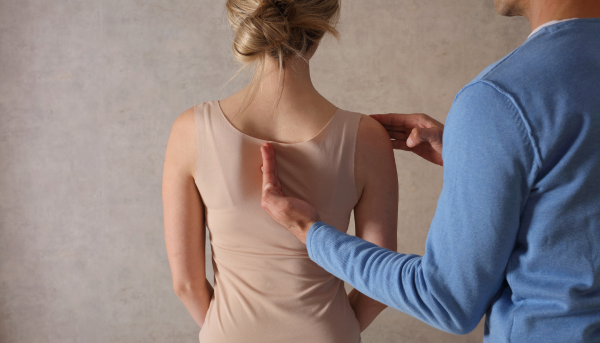
Adolescent Idiopathic Scoliosis
AIS, or adolescent idiopathic scoliosis, occurs in adults between 10 and 18 years old. The exact cause is unknown, but it is more prominent in females than in males. Several studies have been conducted to identify the cause of AIS.
Causes | Symptoms | Treatment |
Mostly unknown | Uneven shoulders, rib hump, back pain, uneven waist, and thoracic deformity affects lung function. | Regular monitoring and scoliosis braces such as Boston braces, TLSO, and nighttime braces prevent further progression for moderate curves. Surgery is recommended for severe curves. |
Functional Scoliosis
Functional or non-structural scoliosis is a reversible condition caused by muscle imbalance or leg length discrepancy. It has no specific structural abnormalities but occurs due to external factors.
Causes | Symptoms | Treatment |
Leg length discrepancy, muscle spasm, postural issues, and injury or inflammation. | Pain and discomfort, shoulder asymmetry, and curves in certain positions. | Physical therapy, orthotics or shoe inserts to correct leg length discrepancies, pain management, and massage therapy. |
Adult Scoliosis
Adult scoliosis develops in adulthood due to degenerative changes, underlying medical conditions, or previous spinal injuries. Adults with scoliosis often experience pain in their lower spine, but it can affect any part of their spine. It usually develops in adults over 50.
Causes | Symptoms | Treatment |
Adolescent progression, spinal degeneration, osteoporosis, previous surgery or trauma, and postural factors. | Pain, postural changes, radiculopathy, difficulty walking or standing, and breathing difficulty. | Pain medications, physical therapy, and epidural steroid injection. Spine braces for scoliosis provide relief for instability. Spinal fusion and decompression are the standard surgical techniques. |
How do prosthetics and orthotics help in scoliosis management?
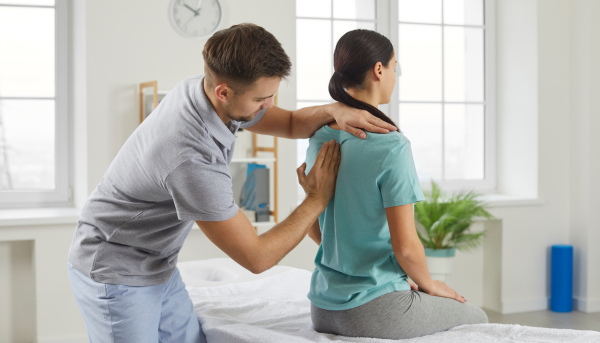
Orthotics and Prosthetics play a vital role in managing scoliosis. A spine brace for scoliosis improves posture, stabilizes your spine, reduces pain, and prevents curve progression.
Orthotics are designed to manage spinal curvature. Spine braces for scoliosis are divided into different types, such as Boston braces, Cervico-Thoraco-Lumbo-Sacral braces, nighttime braces, and SpineCor braces.
Prosthetics are used in scoliosis associated with limb deficiency or physical abilities. Shoe lifts reduce spinal curvature caused by uneven leg length. Prosthetics maintain a balanced posture, indirectly supporting spine alignment.
Xtremity - the best Orthotics and Prosthetics clinic in the UAE
Adults with scoliosis require personalized care and attention. Xtremity is an international brand for prosthetics and orthotics rehabilitation care. With a positive reputation, expertise, and advanced technologies, our team excels in providing quality solutions.
The Xtremity team implements cutting-edge technology, including 3D printing and CAD-based production, prioritizing patient care. We help you adapt the best device and regain mobility efficiently.
Please schedule a consultation with our Xtremity professionals for trusted recommendations! Call Us or Book an appointment!
About Us
Xtremity Prosthetics and Orthotics is a specialized health clinic where treatment is provided by a specialized team which comprises allied health professionals as well as medical professionals giving a multidisciplinary approach towards prosthetic and orthotic rehabilitation care.
Most Popular