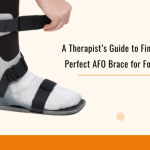
Foot drop makes walking feel uncertain. The front of the foot does not lift the way it should, so the toes catch the ground with each step. It may lead to frequent stumbles, slower walking, and a persistent fear of falling. An AFO brace for foot drop is often introduced to enhance safety and maintain the foot in a more stable position during walking.
This guide will explain to you in detail what an AFO brace is, why they are commonly prescribed, how they affect the gait, and what factors to consider when you choose one. You will also gain insights into key considerations for selecting an AFO brace for foot drop.
What Is an AFO Brace?

An ankle foot orthosis, commonly called an AFO brace, is a supportive device worn around the lower leg and foot. Its purpose is to control ankle position and guide the foot during walking. An AFO brace helps lift the front of the foot, allowing the toes to stay off the ground. This support helps improve stability and reduce the risk of tripping during everyday movement.
Why an AFO Brace Is Recommended
During normal walking, the brain activates muscles that lift the foot as the legs move forward. When the signal is weakened or interrupted due to some neurological factors, the foot hangs downward instead of clearing the ground.
This makes one trip over small obstacles, uneven paving, or even the edge of a rug.
- Foot drop develops after neurological conditions such as stroke, head injury, or nerve damage.
- A large number of stroke survivors experience difficulty lifting the foot, which is why an ankle brace for stroke patients is often introduced early in rehabilitation.
- Toe drag increases the risk of tripping over small obstacles, uneven surfaces, or household items.
- An AFO holds the ankle in a more functional position, prevents toe drops, and allows a safer, more confident walking during daily activities.
How a Foot Drop Brace Changes the Way You Walk

When the foot cannot lift properly, one starts to swing the leg outward or lift the knee higher to avoid dragging the toes. While these strategies may prevent falls in the short term, they place extra stress on the hips, knees, and lower back.
A brace for foot drop supports the ankle and guides the foot along a more natural path forward. This reduces the need for extra movements, helping walking feel steadier and less tiring.
Choosing the Best Brace for Foot Drop
The right choice depends on how the condition affects you, your level of activity, and what your therapist or doctor observes during the assessment.
- Comfort and fit
A brace that is worn regularly must feel comfortable and sit well against the skin. Poor fit can lead to rubbing, pressure marks, or irritation, which often results in reduced use. Softer braces are usually easier to tolerate for more extended periods, while more rigid designs may require additional control. - Movement and support
You may benefit from braces that allow a small amount of ankle movement. Hinged designs can support the foot while still encouraging muscle activity, which may help reduce stiffness over time. Others may require more substantial support to feel stable, especially during the early stages of recovery. - Level of customisation
Custom-made AFOs are explicitly designed for your foot and ankle and are often recommended for long-term use. Ready-made options can be effective only for a short-term support or during early rehabilitation, particularly when needs may change rapidly. - Appearance and wear
Slimmer braces that fit inside regular footwear can make it easier to wear the AFO consistently, both at work and in social settings. - Cost and long-term use
Price is a crucial factor, especially if the brace will be used for an extended period of time. The aim is to find a solution that provides reliable support without unnecessary expense.
A physical therapist’s guidance is invaluable. They can assess your walking pattern, recommend suitable designs, and allow you to try different braces. This hands-on approach often makes it much clearer which option will work best for you.
Risks of Long-Term AFO Use
AFOs are valuable tools, but prolonged use without review can lead to problems.
- Reduced airflow around the foot may cause skin irritation, especially with rigid designs.
- Over time, relying entirely on a brace can lead to reduced active use of the ankle muscles.
- Without regular reassessment, a once helpful brace may become more supportive than necessary as recovery progresses.
Xtremity’s Approach to AFO Care
At Xtremity Prosthetics and Orthotics, mobility care goes beyond equipment alone. The approach to AFO care includes:
- A mobility-first philosophy that helps support safety while encouraging functional recovery
- Multidisciplinary care is offered by trained prosthetic, orthotic, and allied health professionals
- Advanced CAD- CAM-based assessment for precise alignment and improved comfort
- Modern manufacturing techniques, including 3D printing, are being used for lighter and better-fitting devices
- Tailored solutions based on individual condition, lifestyle, and rehabilitation goals
- A streamlined, patient-focused workflow from assessment to follow-up
- A strong commitment to quality, ethics, and long-term functional outcomes
Using an AFO as a Step Towards Independence
An AFO can make walking safer and more manageable, particularly in the early stages of foot drop. When chosen carefully and reviewed regularly, it supports movement without limiting recovery.
With the proper clinical guidance and consistent rehabilitation, foot drop does not have to define long-term mobility.
When used at the right time and for the right reasons, an AFO can be a practical step toward regaining confidence.
At Xtremity Prosthetics and Orthotics, every AFO is carefully planned, precisely crafted, and focused on long-term mobility.
Schedule a consultation with the Xtremity team to receive a personalised assessment and an orthotic solution designed to support safe walking, functional recovery, and everyday independence.
About Us
Xtremity Prosthetics and Orthotics is a specialized health clinic where treatment is provided by a specialized team which comprises allied health professionals as well as medical professionals giving a multidisciplinary approach towards prosthetic and orthotic rehabilitation care.
Most Popular
Back Brace for Scoliosis: How They Work, Their Benefits, and Top Choices