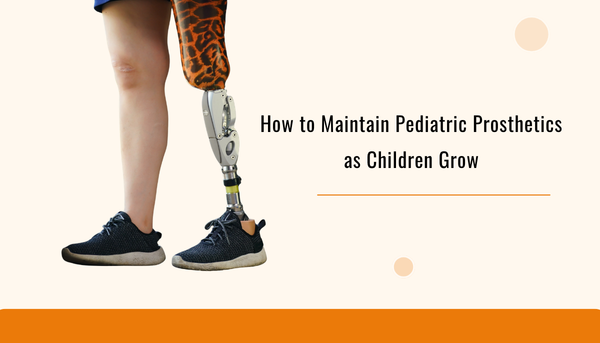
Children grow quickly, and with every new milestone comes a change in their physical needs. For children using pediatric prosthetics, growth can affect how a prosthetic fits, feels, and functions. What works perfectly today may need adjustments tomorrow to ensure comfort, safety, and freedom of movement.
That’s why maintaining a pediatric prosthesis is not only about protecting the device; it is also about supporting a child’s independence, confidence, and physical development. With the right guidance and professional support through pediatric orthotic and prosthetic services, parents can ensure that their child’s prosthetic continues to work effectively as they grow.
At Xtremity, specialized pediatric orthotic and prosthetic services are designed to adapt to each stage of a child’s development, ensuring their prosthetic solutions remain comfortable, functional, and aligned with their changing needs.
Why pediatric Prosthetic maintenance is so important?
Children experience rapid physical changes during their early years.
Did you know?
According to pediatric rehabilitation studies, children can grow several centimeters each year, which directly affects how a prosthetic fits.
Unlike adults, children are also more active. Running, jumping, climbing, and playing sports place greater demands on prosthetic devices.
Proper prosthetic maintenance ensures:
- Comfortable fit as the child grows
- Reduced risk of skin irritation or pressure sores
- Better mobility and balance
- Longer lifespan of the prosthetic device
- Improved confidence during daily activities
Routine maintenance also allows prosthetists to monitor the child’s physical development and adapt the device when necessary.
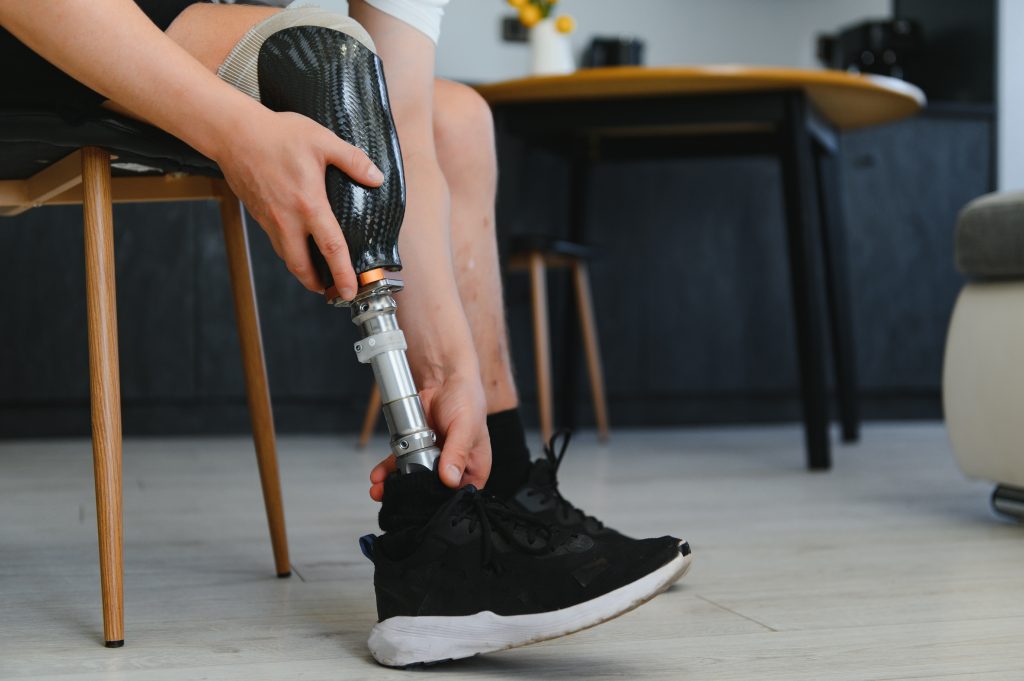
Signs that a child’s Prosthetic needs adjustment
Children may not always clearly express discomfort. Parents should watch for subtle signs that indicate a prosthetic device needs attention.
Common signs include:
- Redness or skin irritation near the prosthetic socket
- Difficulty walking or balancing
- Complaints of pressure or pain
- Reduced activity levels
- Looseness or slipping of the prosthetic
If any of these symptoms appear, it is important to consult a specialist in pediatric orthotic and prosthetic services promptly.
Early adjustments can prevent more serious complications.
People also ask about:
- How often should pediatric prosthetics be replaced?
Most children need a new prosthetic every 12–24 months, depending on growth and activity level.
- What is a pediatric prosthetic arm used for?
With a pediatric prosthetic arm, children can carry out day-to-day tasks like holding objects, eating, and playing.
- How do pediatric prosthetic feet aid in mobility?
Pediatric prosthetic feet provide balance and stability, helping children walk and stay active.
- Can pediatric prosthetics be adjusted as children grow?
Yes, many pediatric prosthesis devices include adjustable parts to accommodate growth.
- What are pediatric orthotic and prosthetic services?
These services provide custom prosthetic and orthotic care for children, including fitting and adjustments.
- What notifies that a prosthetic no longer fits properly?
Common signs include discomfort, redness, slipping, or difficulty moving.
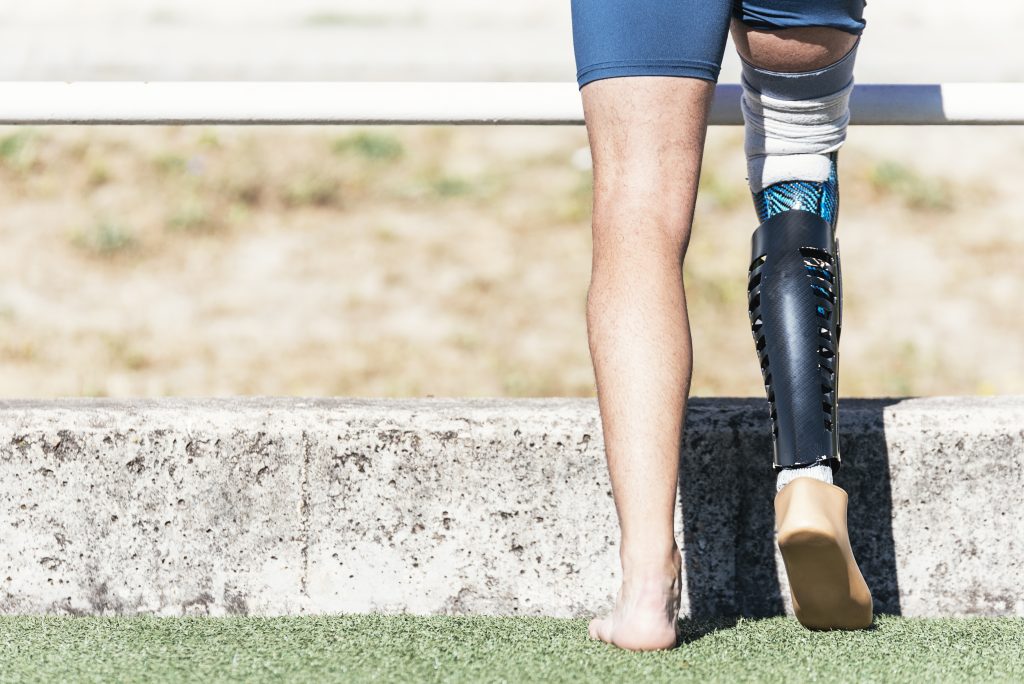
All about pediatric Prosthesis maintenance
How often should a pediatric prosthesis be adjusted?
In most cases, specialists recommend professional evaluations every 3-6 months. Younger children may require adjustments even more frequently due to faster growth.
Regular follow-ups allow professionals to:
- Assess limb growth
- Adjust socket fit
- Replace worn-out components
- Upgrade prosthetic technology when needed
Consistent monitoring ensures that the prosthetic continues to support healthy movement and posture.
Daily Prosthetic care at home
Simple daily habits can significantly extend the life of pediatric prosthetic devices.
- Clean the prosthetic regularly
Children often sweat and play outdoors, which can cause dirt and bacteria to accumulate inside the prosthetic socket.
Parents should:
- Clean the socket daily with mild soap and water
- Allow it to dry completely before use
- Avoid harsh chemicals that may damage materials
Maintaining hygiene reduces the risk of skin irritation and infection.
- Check for wear and damage
Daily visual checks can help identify problems early.
Look for:
- Loose screws or components
- Cracks or structural damage
- Worn-out liners or straps
- Reduced grip or stability
Early repairs are usually simple and inexpensive compared to replacing a damaged device.
- Monitor skin health
The skin in contact with a prosthetic must remain healthy.
Parents should examine the child’s limb daily for:
- Red spots
- Blisters
- Swelling
- Unusual skin sensitivity
If redness persists for more than 20–30 minutes after removing the prosthetic, professional evaluation may be necessary.
Maintaining a pediatric Prosthetic Arm
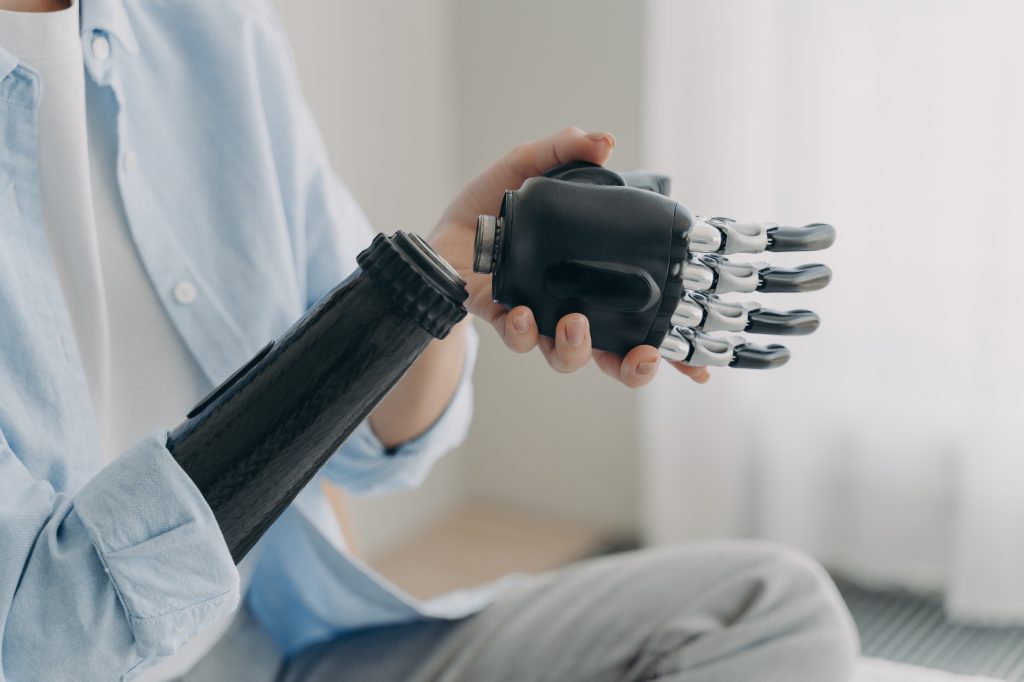
Children who use a pediatric prosthetic arm often rely on it for both functional tasks and daily independence.
How do you maintain a pediatric prosthetic arm?
Maintenance involves several key steps:
- Keep joints and moving parts clean
Dust or debris can affect movement. Regular cleaning ensures smoother function. - Check cables and grip mechanisms
Many upper-limb prosthetics rely on cable systems for movement. These must remain properly tensioned.
Encourage proper usage habits
Children should learn to use their prosthetic arm gradually for activities like holding objects, drawing, or playing.
What do research studies say?
Research shows that children who consistently practice using their prosthetic arms are more likely to achieve functional independence later in life.
Maintaining a Pediatric Prosthetic Arm
Lower-limb prosthetics are essential for walking, running, and participating in physical activities.
What maintenance is needed for pediatric prosthetic feet?
The following steps help maintain stability and performance:
- Inspect the foot structure regularly
Children’s active lifestyles can cause faster wear. - Check alignment
Even small alignment changes can affect balance and walking patterns.
Replace worn components
Prosthetic feet often include rubber or flexible materials that wear out over time.
Trivia Time
According to mobility studies, properly maintained lower-limb prosthetics can significantly improve gait efficiency and energy use in children.
Supporting growth with adjustable Prosthetics
Modern pediatric prosthetics are designed with growth in mind.
Many devices include:
- Adjustable sockets
- Modular components
- Replaceable parts
These features allow prosthetists to adapt the device as the child grows.
Still, periodic upgrades may be required. Studies show that children may need new prosthetic devices every 12–24 months, depending on their growth rate.
Regular consultations ensure that the prosthetic continues to meet the child’s needs.
Encouraging active use of Prosthetics
A prosthetic should not feel like a limitation. Instead, it should support a child’s natural curiosity and movement.
Parents can help by encouraging:
- Participation in sports and physical play
- Daily practice using the prosthetic
- Positive reinforcement and confidence-building
Physical activity also helps children develop strength and coordination, which improves prosthetic use.
The role of professional pediatric Prosthetic care
While home maintenance is important, professional care remains essential.
Specialists in pediatric orthotic and prosthetic services provide:
- Custom fitting and adjustments
- Advanced prosthetic technology
- Rehabilitation support
- Growth monitoring
Working closely with experienced professionals ensures that each prosthetic device is tailored to the child’s evolving needs.
This partnership plays a crucial role in helping children maintain mobility and independence.
When should a Prosthetic be replaced?
Sometimes adjustments are not enough.
How do you know when a pediatric prosthesis needs replacement?
A new device may be needed if:
- The child has outgrown the socket
- Components are no longer functioning effectively
- The child’s activity level has increased
- Technology upgrades offer better functionality
Timely replacement ensures that children continue to move safely and comfortably.
Helping children feel confident with their Prosthetics
Beyond physical maintenance, emotional support is equally important.
Children may feel different from their peers at times. Encouraging open conversations about their prosthetic can help build confidence.
Parents and caregivers can support children by:
- Celebrating milestones in mobility
- Encouraging independence
- Connecting with support communities
Confidence and comfort go hand in hand when it comes to successful prosthetic use.
Maintain pediatric Prosthetics with expert guidance at Xtremity
Maintaining pediatric prosthetics requires patience, consistency, and expert guidance. As children grow, their prosthetic needs evolve, making regular adjustments and professional care essential.
At Lower-limb prosthetics, families receive comprehensive pediatric orthotic and prosthetic services designed to support children at every stage of growth. From advanced pediatric prosthetic arm solutions to durable pediatric prosthetic feet, the team focuses on comfort, functionality, and long-term mobility.
If your child uses a pediatric prosthesis, regular maintenance and expert support can make a significant difference in their daily life.
Schedule a consultation with Xtremity today and ensure your child continues to move, explore, and grow with confidence.
Frequently Asked Questions
How do pediatric prosthetics support a child’s development?
Pediatric prosthetics help children move, play, and perform daily tasks more easily, supporting physical growth and independence.
How often should a child’s prosthetic be checked?
Most specialists recommend check-ups every 3–6 months to ensure the prosthetic still fits properly as the child grows.
Can children play sports with prosthetics?
Yes, many children with prosthetics can safely participate in sports and physical activities with the right device and guidance.
What factors affect the lifespan of a pediatric prosthesis?
Growth rate, activity level, and daily wear can all influence how long a pediatric prosthesis lasts.
Do pediatric prosthetics require special cleaning?
Regular cleaning with mild soap and water is usually enough to keep the prosthetic hygienic and comfortable.
How can parents help children adapt to prosthetics?
Encouraging daily use, practicing simple tasks, and offering emotional support can help children feel more confident with their prosthetic device.
About Us
Xtremity Prosthetics and Orthotics is a specialized health clinic where treatment is provided by a specialized team which comprises allied health professionals as well as medical professionals giving a multidisciplinary approach towards prosthetic and orthotic rehabilitation care.
Most Popular