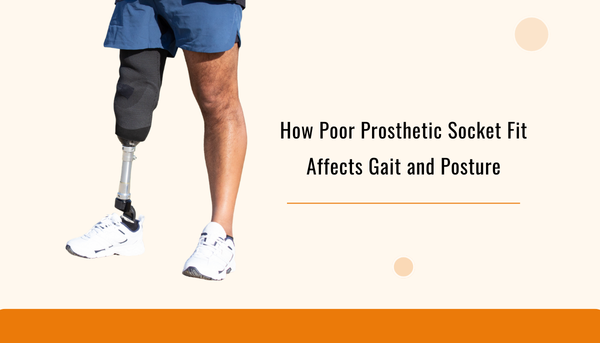
Walking with a prosthetic limb is not just about replacing a missing limb; it’s about living life again, with that self-confidence you always want. One of the most important yet often overlooked components in this process is the prosthetic socket, the part that connects the residual limb to the artificial limb.
When this connection is well established, walking becomes smoother and more natural. But when the fit is poor, it can significantly affect gait, posture, and overall joint health. Understanding why this happens can help prosthetic users, caregivers, and clinicians take timely steps to prevent complications.
The Role of the Prosthetic Socket in Walking
The prosthetic socket is the interface that transfers body weight and movement to the prosthetic limb. It helps maintain alignment between the body and its movement.
Proper alignment and socket fit are essential because even minor deviations can change walking mechanics, increase strain on joints, and lead to compensatory movements.
In prosthetic rehabilitation, restoring a symmetrical gait pattern is one of the main goals. Walking efficiently with prosthetic leg solutions requires coordination between muscles and joints. If the socket fit is uncomfortable or unstable, the user often alters movement patterns unconsciously, which may lead to long-term posture problems.
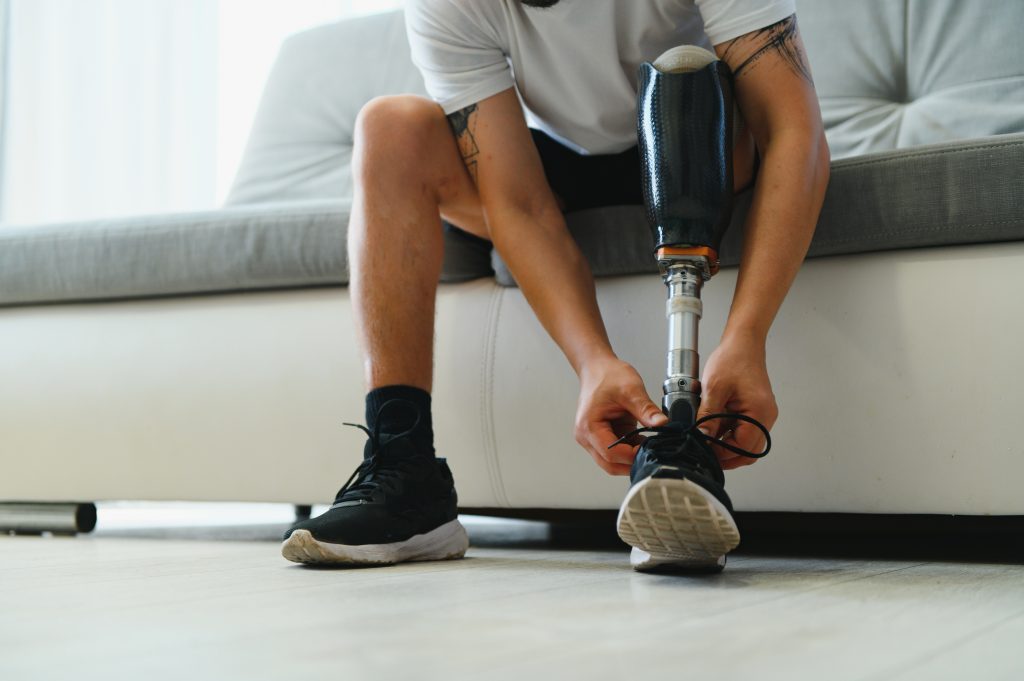
What Happens When the Socket Fit Is Poor?
A poorly fitted prosthetic socket can cause multiple physical issues that affect daily mobility.
1. Changes in Gait Pattern
Gait refers to the way a person walks. When the socket is loose, tight, or misaligned, users may:
- Take uneven steps
- Walk slower
- Shift weight to the opposite leg.
- Develop limping or compensatory movements.
These are the natural changes that the body makes to avoid pain, pressure, or a feeling of instability. As time passes, these altered walking patterns can place extra strain on the muscles, often leading to fatigue and making walking more tiring than it should be. The body ends up using more energy to perform what would otherwise be simple, everyday movements.
Experiences shared by many prosthetic users also highlight similar challenges in real life. Some individuals have described that when a socket does not fit properly, it may shift or move during walking, leading to rubbing, skin irritation, or minor wounds caused by friction. In some cases, it can even change the position of the leg while walking, which disrupts the natural rhythm of movement and makes walking feel less stable and comfortable.
2. Poor Posture and Spinal Strain
Body Posture plays a significant role in overall health. A poor socket fit can alter pelvic alignment and spinal positioning.
When one side of the body carries more weight, it can result in:
- Hip imbalance
- Lower back pain
- Shoulder asymmetry
- Increased risk of long-term musculoskeletal problems
When a prosthesis fit is not aligned, the way weight and pressure pass through the joints can change. Over time, this uneven distribution of forces may place additional strain on the hips, knees, or lower back, resulting in pain and discomfort in the joints. If these issues are not identified and corrected in time, they may gradually contribute to joint pain or wear-and-tear changes in the affected joints.
3. Skin Problems and Pressure Injuries
A tight or unevenly fitted prosthetic socket can create high friction and pressure generation while performing various activities. This may lead to:
- Skin infection and irritation
- Blisters
- Ulcers
- Infection
Comfort inside the socket is critical because the residual limb undergoes volume changes over time, and pressure distribution must be carefully managed to avoid tissue damage.
4. Reduced Confidence and Mobility
Physical discomfort is not the only concern that affects confidence level, but many prosthetic users become hesitant to walk long distances or participate in activities when the socket feels unstable or painful.
This reduction in mobility can affect independence, emotional well-being, and overall quality of life.
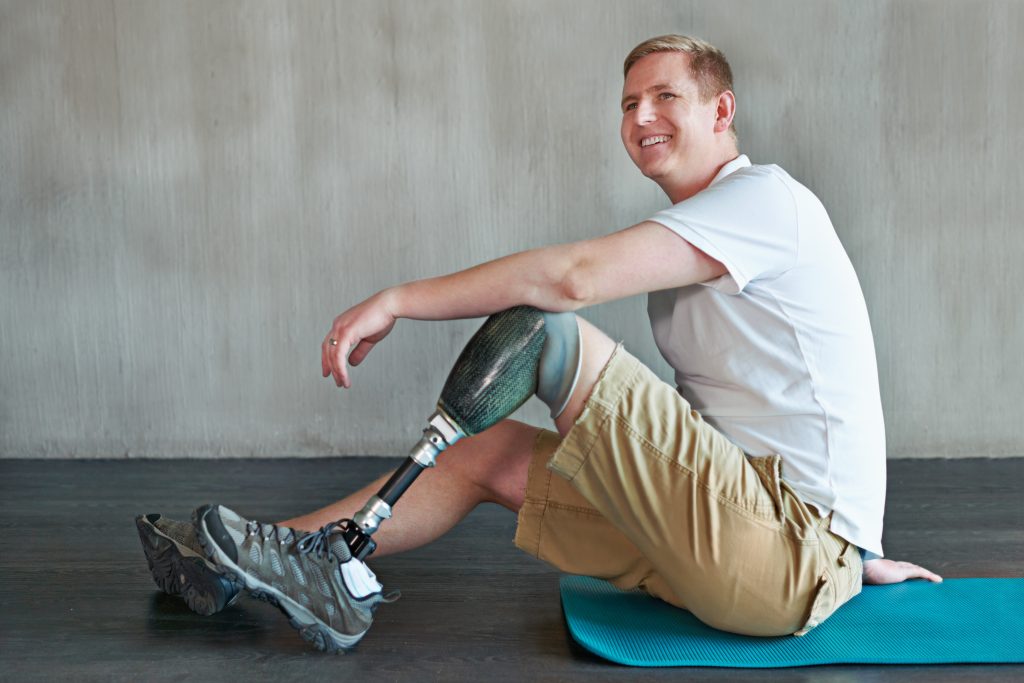
Understanding Different Types of Prosthetic Sockets
Not all sockets are the same for every patient; their design depends on the level of amputation, limb shape, and functional needs.
Some common types of prosthetic sockets include:
- Patellar tendon bearing (PTB) sockets
- Total surface bearing (TSB) sockets
- Suction sockets
- Vacuum-assisted suspension sockets
Each design distributes pressure differently and aims to improve comfort, stability, and control. Choosing the right type and ensuring precise fitting is essential for optimal gait and posture.
How Socket Fit Influences the Entire Prosthetic System
A prosthetic limb is a system made up of multiple components, including:
- Socket
- Pylon
- Knee unit (in above-knee prosthetic limbs)
- Prosthetic foot
If the socket fit is incorrect, the alignment of the entire prosthetic limb can be affected. Even the prosthetic foot may not strike the ground correctly, leading to instability or uneven weight distribution.
Proper alignment ensures that forces are transmitted efficiently and joints are protected from unnecessary stress.
Signs That a Prosthetic Socket Needs Adjustment
Early intervention of the problems associated with prosthetic sockets eases the process.
Common signs include:
- Persistent pain or discomfort
- Redness that lasts longer than 20 minutes after removing the prosthesis
- Instability or slipping
- Changes in walking pattern
- Increased fatigue while walking
If any of these symptoms appear, consulting a prosthetist promptly is essential.
The Importance of Regular Follow-Ups
The residual limb changes over time due to muscle atrophy, weight fluctuations, or swelling. Because of this, the prosthetic socket that once fit perfectly may no longer provide proper support.
Regular check-ups allow adjustments, relining, or replacement when needed. Rehabilitation specialists also monitor gait training to ensure walking mechanics remain efficient and safe.
How Modern Rehabilitation Helps Improve Gait
Prosthetic rehabilitation focuses on:
- Strength training
- Balance exercises
- Gait training
- Postural correction
Users regain confidence because therapists often use training programs to ensure accurate movements.
Preventing Problems: Tips for Prosthetic Users
Maintaining a good socket fit requires equal contribution from the user as well.
Practical tips include:
- Inspect the skin daily
- Maintain proper hygiene of the residual limb
- Use prosthetic socks as advised
- Don’t miss follow-up appointments
- Report discomfort early
Minor adjustments made early can prevent major complications later.
The Right Fit Makes All the Difference
The prosthetic socket plays a crucial role in restoring mobility and maintaining proper gait and posture. When the fit is poor, it can lead to gait abnormalities, postural imbalances, skin problems, and reduced mobility.
With proper fitting, regular follow-ups, and rehabilitation at Xtremity Prosthetics and Orthotics, most of these issues can be prevented or corrected. A well-fitted prosthesis does more than help a person walk; it helps them live actively, confidently, and comfortably.
Frequently Asked Questions
Because it connects the residual limb to the prosthetic device and transfers body weight and movement, comfort and alignment are essential.
It varies, but many users require adjustments within months due to limb volume changes. Regular follow-ups help determine the need.
Yes. Improper alignment can alter posture and place extra strain on the spine and hips.
Patellar tendon bearing, total surface bearing, suction sockets, and vacuum-assisted sockets are commonly used.
Yes. The prosthetic foot works with the socket and alignment to ensure smooth walking and proper weight distribution.
Persistent pain, redness, instability, or changes in walking pattern are key warning signs.
About Us
Xtremity Prosthetics and Orthotics is a specialized health clinic where treatment is provided by a specialized team which comprises allied health professionals as well as medical professionals giving a multidisciplinary approach towards prosthetic and orthotic rehabilitation care.
Most Popular